Why the way sea salt is made changes its flavour, texture and the way it seasons food
flavour, texture and all things salty
Salt is one of the simplest ingredients in the kitchen. Yet not all salt tastes—or cooks—in quite the same way.
Some delivers a quick, sharp hit of salinity and little else. Other salt feels softer and more rounded, with a gentle crunch, natural minerality and a flavour that develops as the crystal dissolves.
The difference is not just whether the salt came from the sea or the land. It is also about the water it came from, how it was made, how much or how little it was processed and when it was harvested.
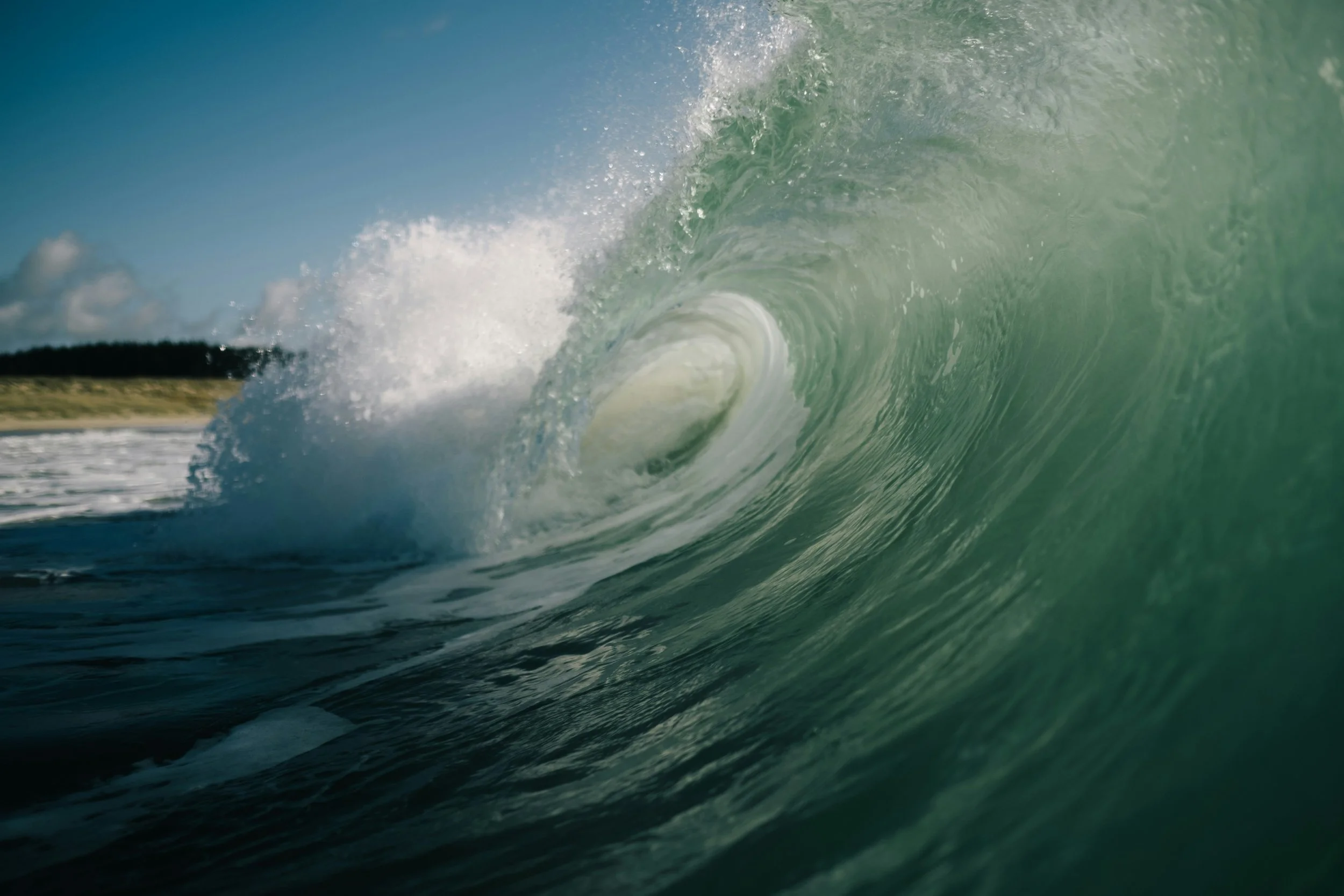
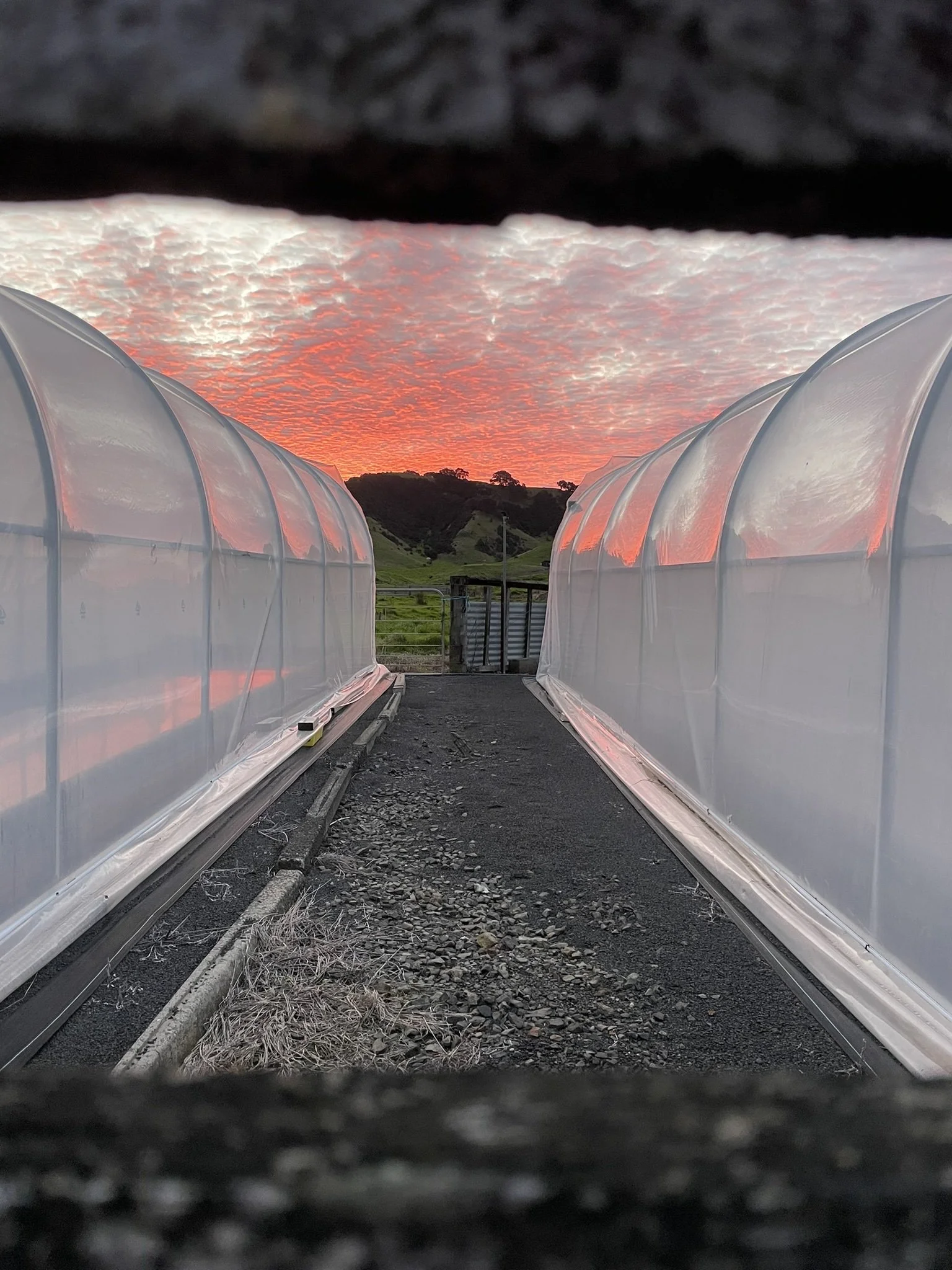
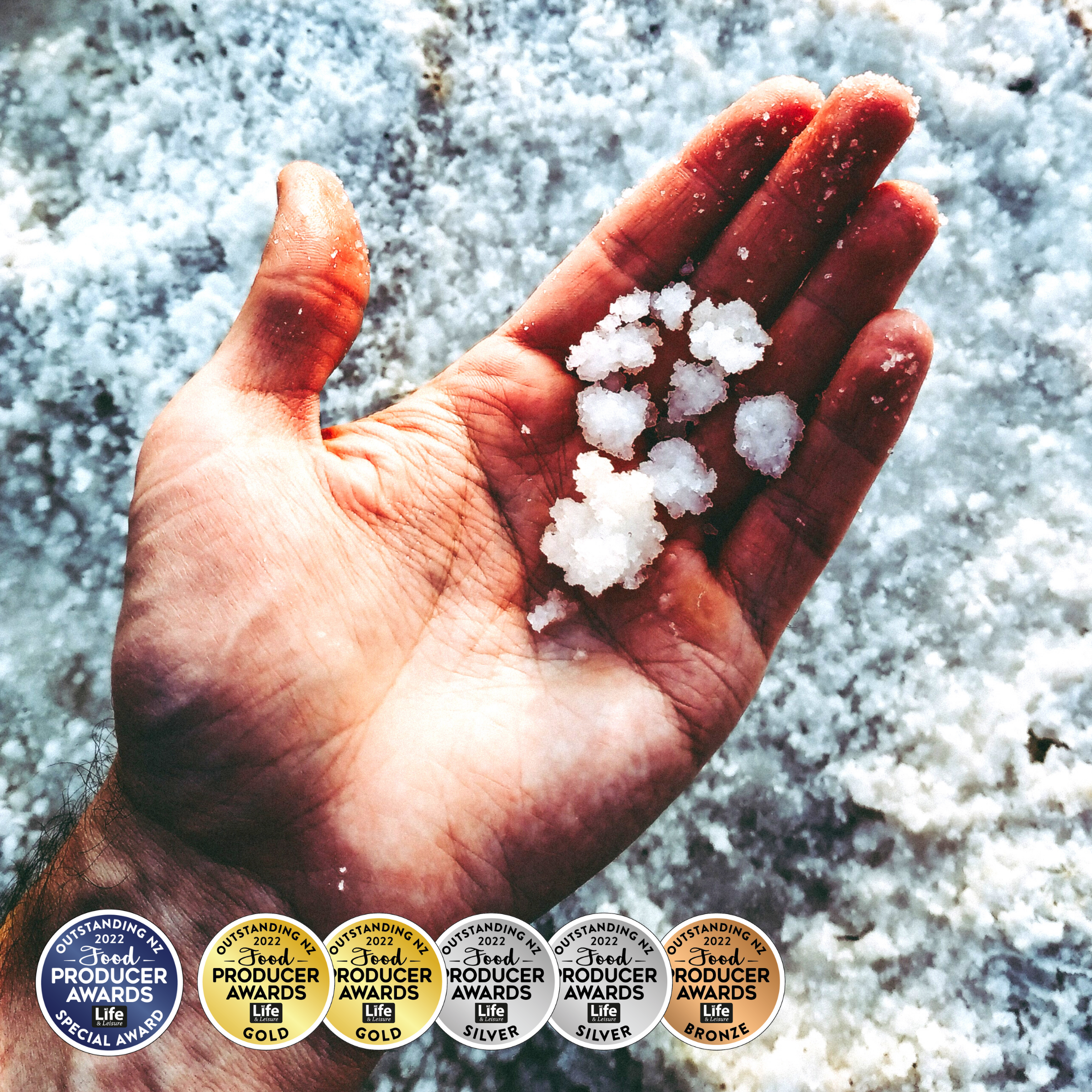
At Opito Bay, our salt begins with seawater collected from a remote spot on the Coromandel coast. It is evaporated slowly using sunshine, wind and warmth from the sun, then harvested by hand when the crystals reach the right balance of flavour, texture and natural minerality.
That process leaves more of the salt’s original mineral character intact.

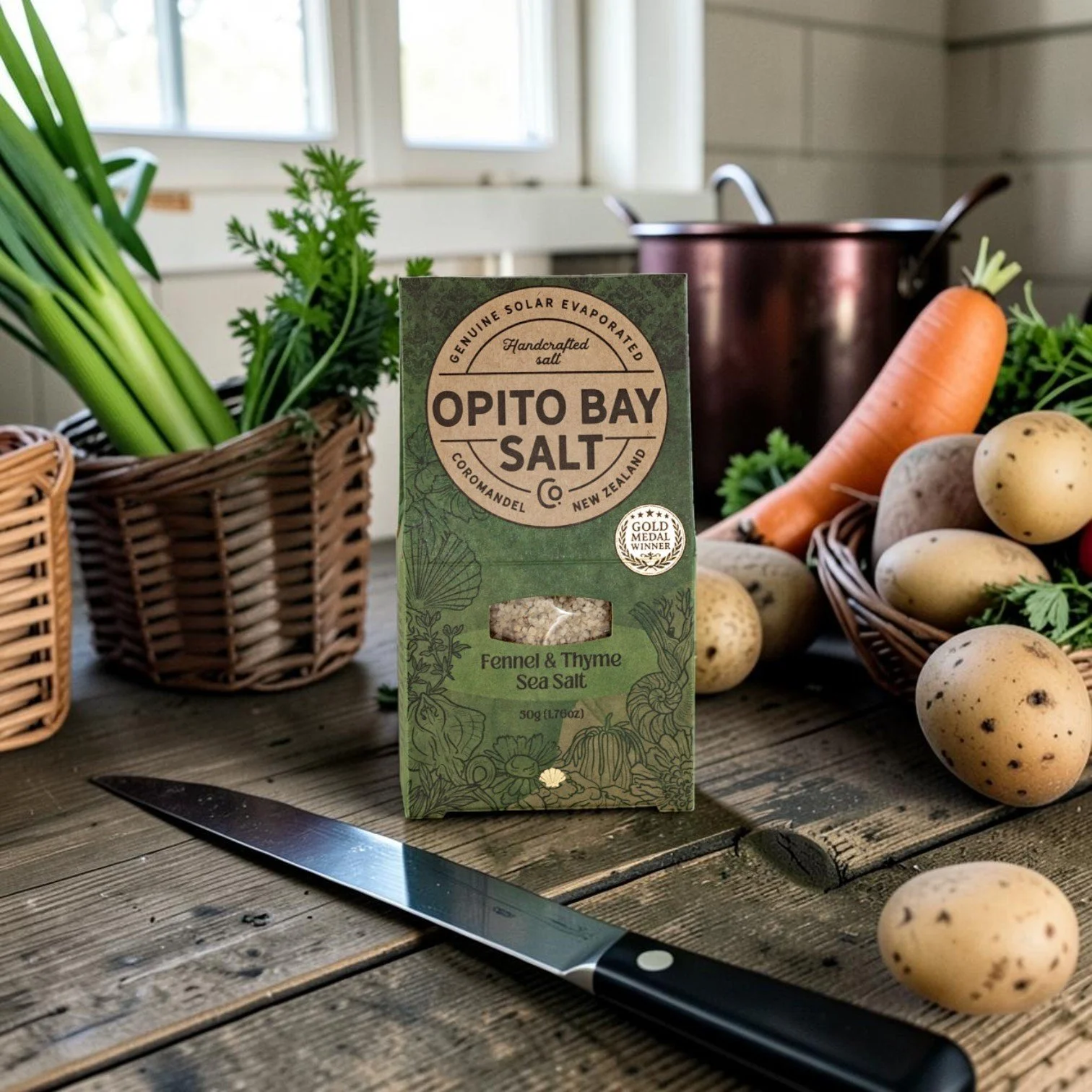
What does natural minerality taste like?
Sea salt is predominantly sodium chloride, but seawater also contains naturally occurring minerals, including magnesium, calcium and potassium.
These minerals do make natural sea salt taste like a completely different ingredient. Their influence is not subtle. They affect the intensity and duration of saltiness and contribute savoury, rounded, bitter or slightly sweet notes.
This is what we mean by natural minerality.
It is not necessarily a strong flavour that can be isolated like garlic or chilli. It is part of the shape of the salt’s flavour: the difference between salinity that feels direct and one-dimensional and salinity that has more depth and complexiy.
Research comparing salts from different sources has found that mineral composition can influence both their basic taste and how long salty flavour is perceived. The balance matters, however. Higher concentrations of minerals such as magnesium, calcium or potassium can introduce bitterness or metallic notes if they become too dominant. So in making natural sea salt, retaining natural minerality is only part of the job. Knowing when enough is enough is just as important.
Why harvest timing changes flavour
As seawater evaporates, its sodium chloride and other naturally occurring minerals become increasingly concentrated.
Salt crystals begin to form, but the liquid surrounding them continues to change. If the crystals are gathered too early, they may not have developed the size and texture we want. If they are left for too long, the remaining concentrated minerals can begin to give the salt a heavier crystal structure and a more bitter flavour.
The best harvest sits between these two points.
We look for a clean salinity, noticeable but balanced natural minerality, and crystals that season food well. The salt should have character, but it should never overwhelm the ingredients it is there to support.
That decision cannot be made entirely by a production schedule. Temperature, sunshine, wind, humidity and the character of the seawater all influence the way each batch develops.
We have to taste, watch and judge the salt itself.


Crystal size changes the experience
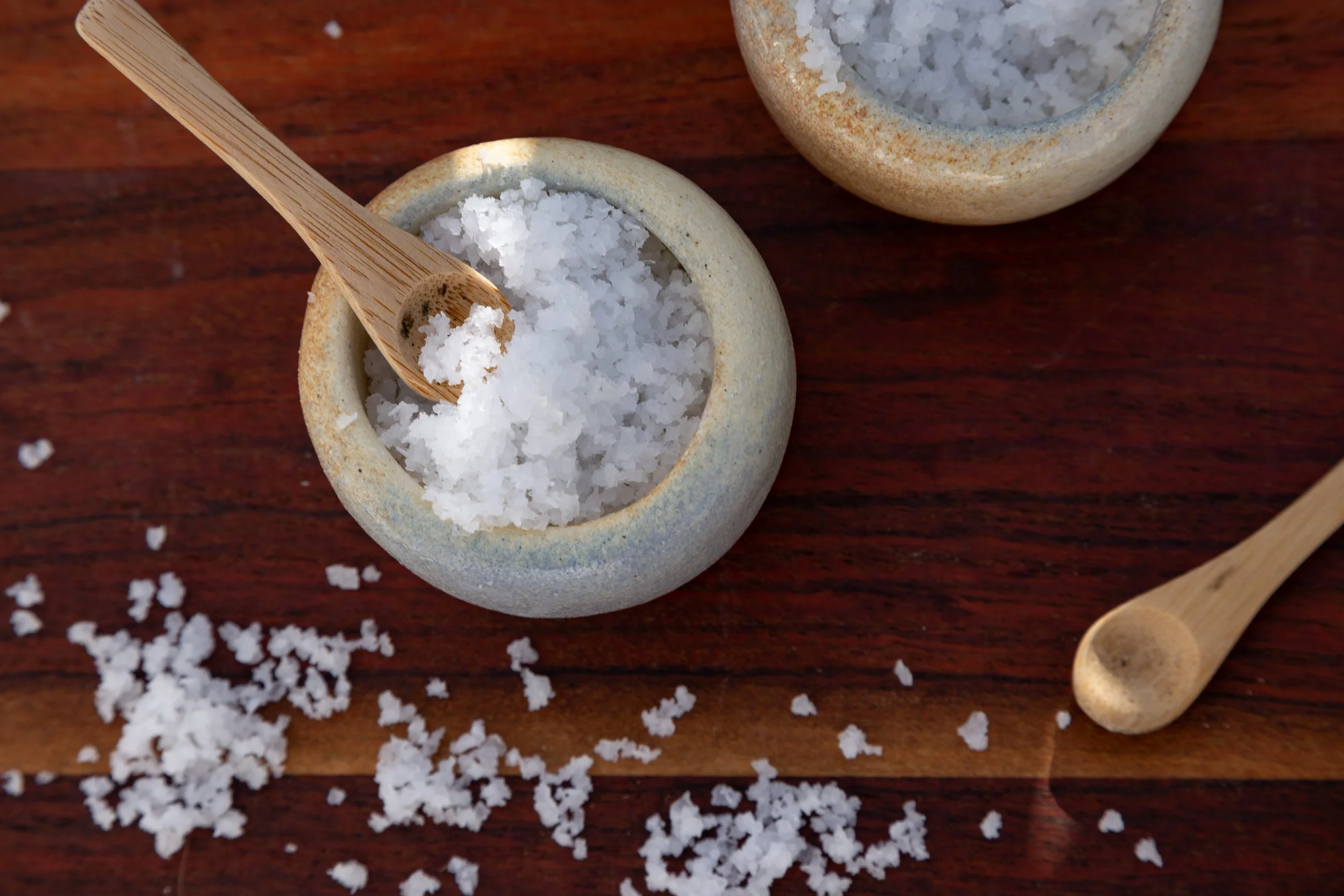
The size and shape of a salt crystal also influence how it tastes and how it works in cooking.
Very fine salt or overtly flaky processed salt dissolves quickly. It disperses easily so think bread dough. Because it dissolves rapidly on the tongue, it can also produce a concentrated and immediate sensation of saltiness.
Larger, irregular sea salt crystals dissolve more gradually. This can create a softer progression of flavour rather than one sharp hit.
Crystal size also affects the way salt adheres to food.
When Opito Bay salt is used to season meat or fish before cooking, the crystals begin dissolving in the food’s surface moisture. Given a little time, that seasoning moves beyond the outer surface rather than remaining as a loose layer.
On vegetables, the crystals help draw out moisture and intensify flavour during roasting. On tomatoes or cucumber, they release natural juices. In bread and baking, the salt balances sweetness and strengthens the savoury character of the finished food.
Texture matters at the table, but it is only one part of the story. Opito Bay salt is made to season food before, during and after cooking.
Sea salt, rock salt and table salt
Most culinary salts begin in one of two places: present-day seawater or underground mineral deposits.
Rock salt is generally mined from ancient deposits created when bodies of saltwater evaporated and the resulting salt was buried beneath later layers of earth. Himalayan pink salt is one well-known example. Its colour comes from small amounts of minerals and other material within the deposit. It may be sold in relatively natural crystals, or it may be crushed, ground, screened and processed into a uniform product. Its ancient origin does not automatically tell us how it was treated after it left the ground.
The same is true of sea salt.
The words “sea salt” tell us where the salt began. They do not necessarily tell us how it reached the packet.
Some sea salt is left comparatively close to its natural state. Other sea salt is washed, dried, crushed, milled, screened or recrystallised to create a consistent grain, purity or crystal shape.
In New Zealand, much of the salt associated with Marlborough begins with solar-evaporated seawater. Depending on the grade, it may then be washed, dried, crushed and screened. Pure dried vacuum grades are dissolved back into brine, treated and recrystallised, while flaky products are formed through further controlled mechanical evaporation. nothing inherently wrong with these processes. They produce predictable salts with very little minerality for food manufacturing, baking, preserving and everyday use.
The point is simply that “sea salt” is not, by itself, a guarantee of minimal processing or natural minerality.
Why processing changes salt
Processing is generally used to make salt cleaner, drier, purer and more consistent.
Washing removes residual minerals and other natural material. Drying improves flow and shelf stability. Crushing and screening create a standard grain size. Recrystallising salt from treated brine can produce small, uniform crystals with a very high sodium chloride content.
These qualities are useful when consistency is the priority.
But every step can also move the salt further away from the texture and natural minerality of its original harvest.
At Opito Bay, we take a different approach. We allow the crystals to form through solar evaporation, harvest them in small batches and retain their natural variation and natural minerality. We do not try to make every crystal identical.
Our goal is not laboratory-style uniformity. It is a consistent standard of flavour, achieved through careful harvesting rather than extensive refining.
Seasoning meat and proteins
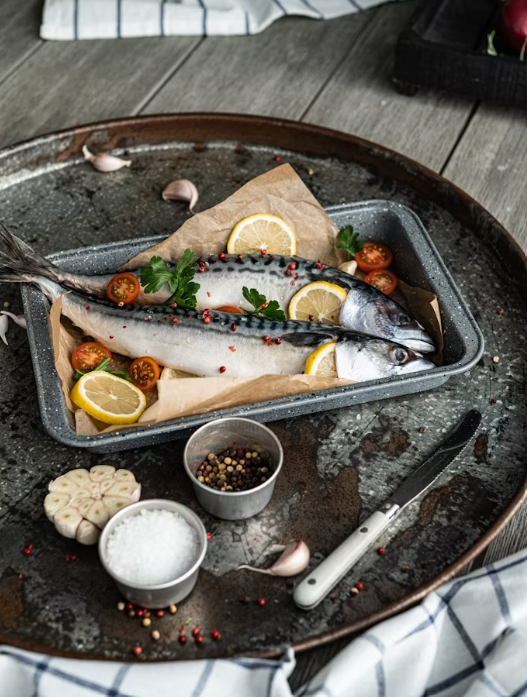
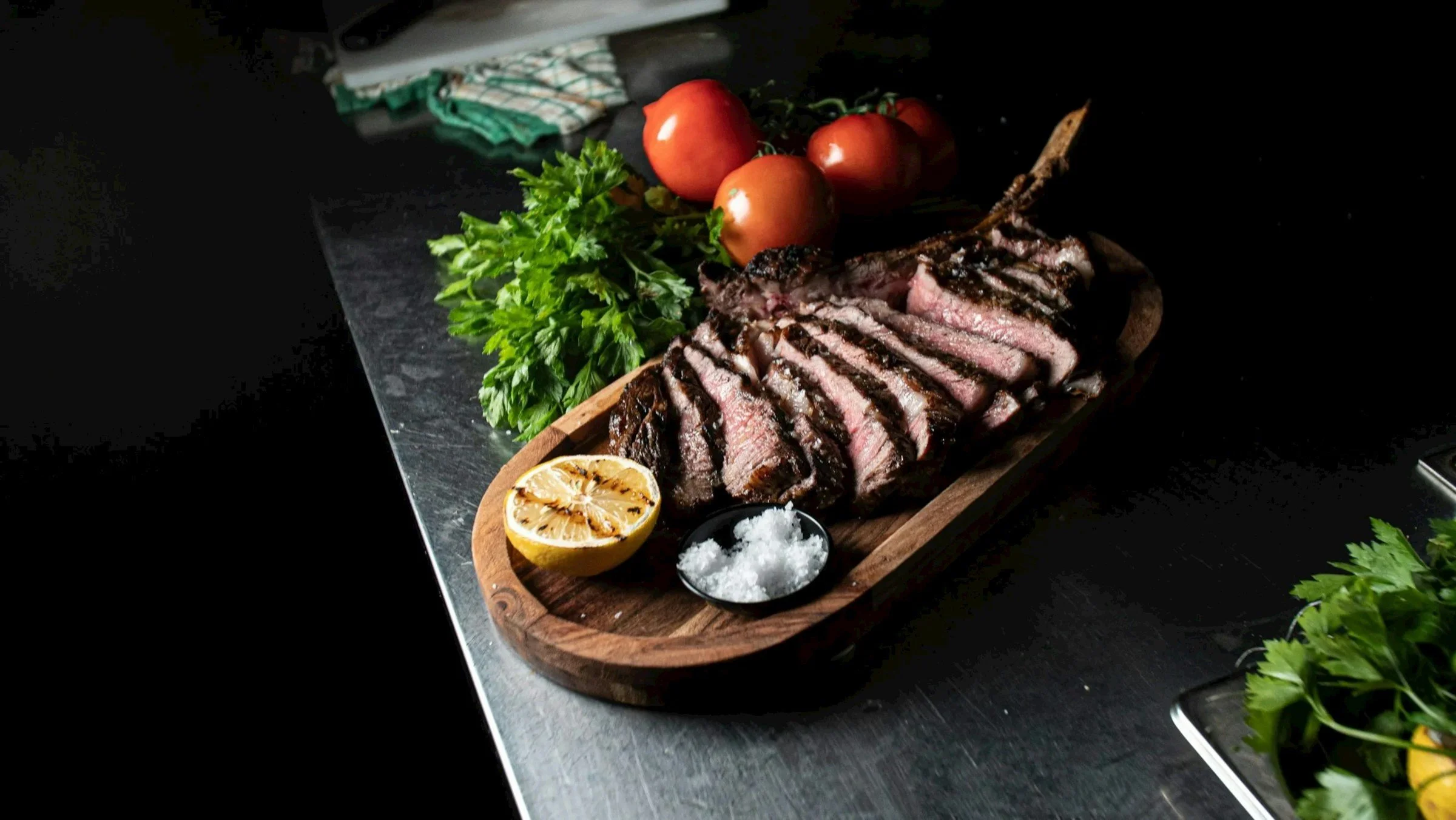
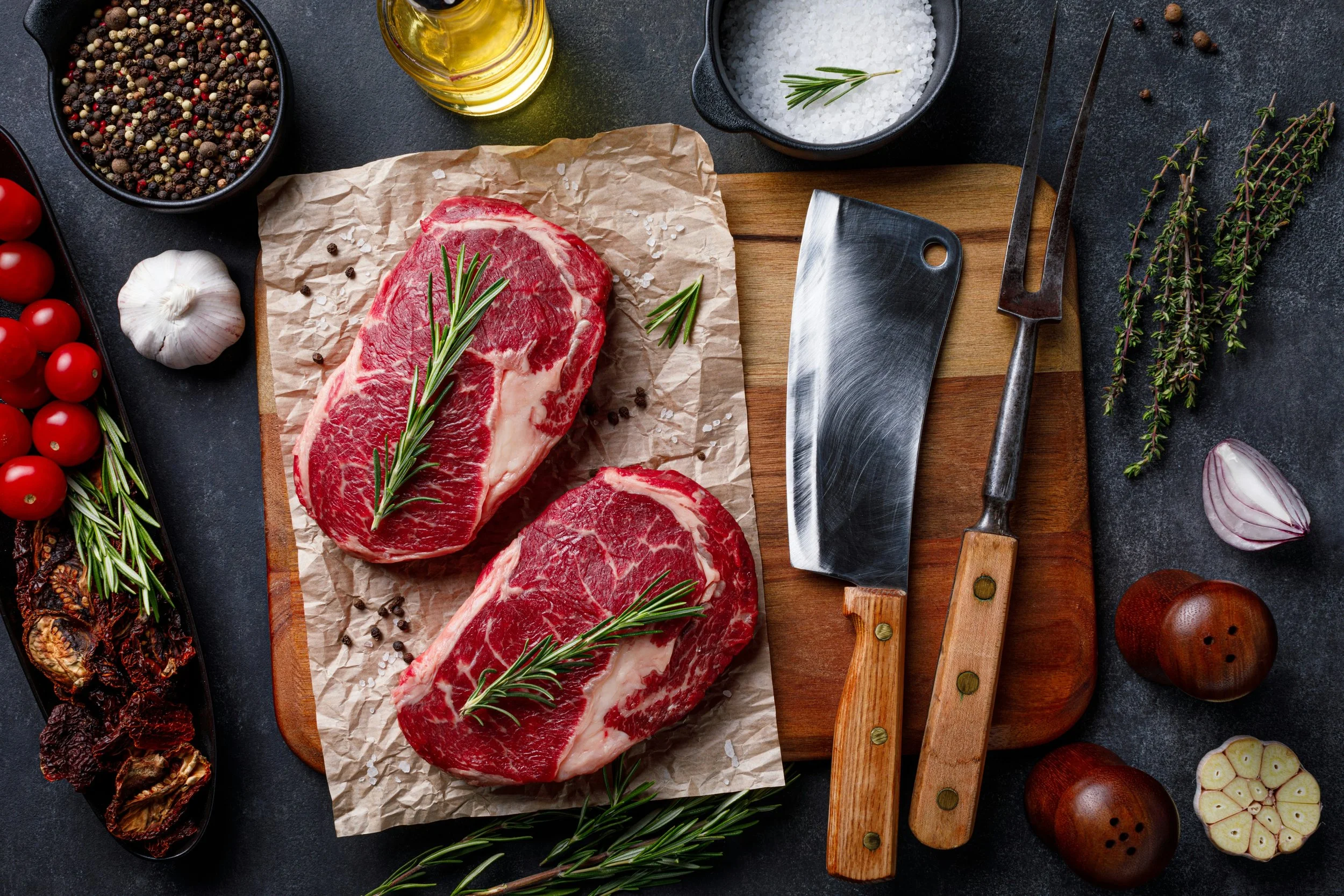
One of the most useful ways to experience the difference is to season a piece of meat or fish before cooking.
Try a pinch or two of Opito Bay Natural Sea Salt evenly over steak, lamb, chicken or fish and allow the salt time to begin dissolving. The moisture on the surface turns the crystals into a light natural brine, helping the seasoning become part of the food rather than sitting loosely on top.
The salt also supports browning by seasoning the surface that meets the heat.
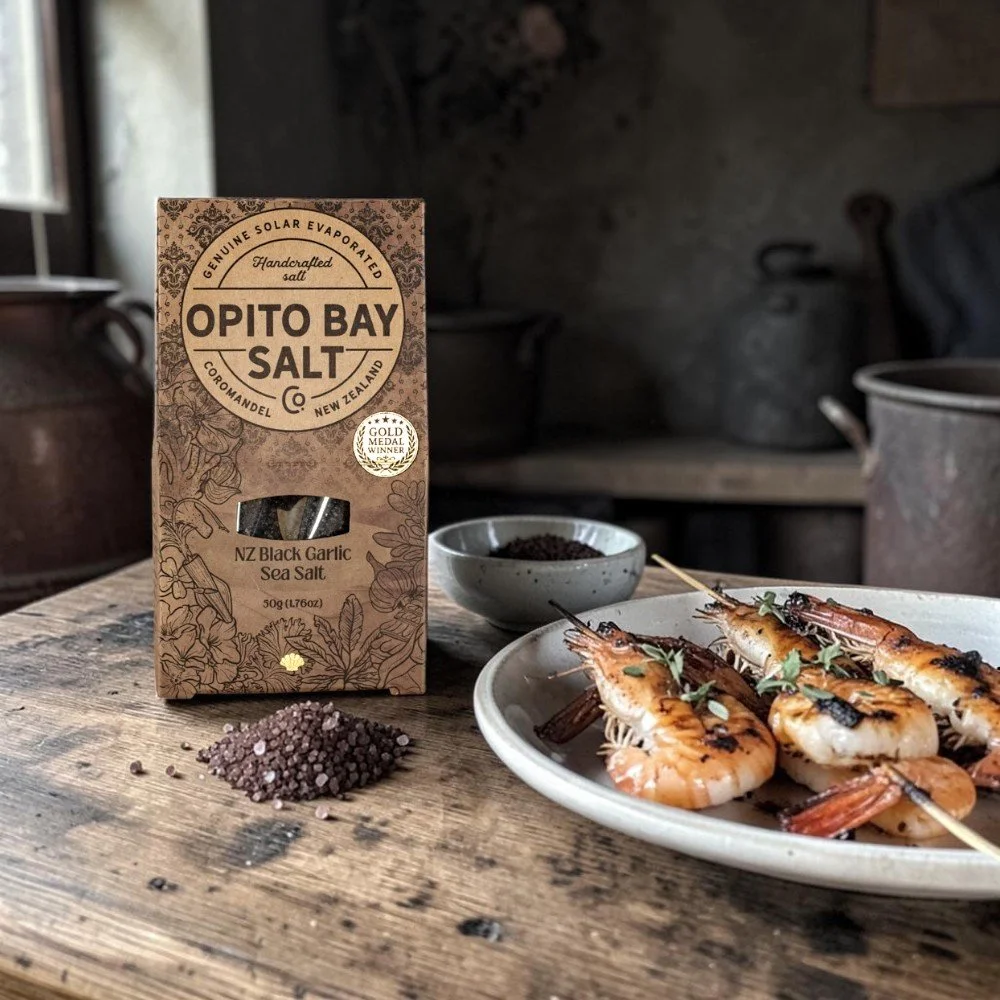
Flavoured salts can do the same job while adding another layer of flavour. Black Garlic Sea Salt gives steak and mushrooms a deeper savoury character. Fennel & Thyme works naturally with lamb or pork. Rare Dry Gin Sea Salt brings citrus and botanical notes to salmon and white fish.
These salts are not garnishes. They are ingredients.
The right salt depends on the job
There is room for more than one kind of salt in a good kitchen.
Fine, consistent salt can be useful in baking or recipes where exact measurements matter. Coarse rock salt can work in grinders, brines and salt crusts. Natural sea salt can season meat before cooking, draw flavour from vegetables, balance sauces and add texture at the table.
The question is not whether one salt is universally superior.
It is whether the salt has the flavour, crystal structure and character you want for the food you are preparing.
At Opito Bay, we make salt for cooks who want more than simple intensity. They want clean salinity, natural minerality and crystals with enough character to become part of the dish.
Because salt should do more than make food taste salty.
It should make the food taste more like itself.
Flavour shaped by the ocean.