What Can You Use Opito Bay Sea Salt For?
“What do I use it on?” It’s probably the question we hear most at markets. My first question back is usually, “What do you like to cook?”
That gives us somewhere to start. If you enjoy fish, I’ll suggest something different from what I’d recommend for roast lamb. Then we’ll talk about how you cook it, what flavours you enjoy and perhaps something you haven’t tried.
Our sea salts belong in everyday cooking. Here are three ways to use them, with a few ideas for your next meal.
Season meat and fish before cooking
There’s good reason to season before cooking. Samin Nosrat, author of Salt, Fat, Acid, Heat, puts it neatly: “a small amount of salt applied in advance will make a much bigger difference than a larger amount applied just before serving.” I fully agree!
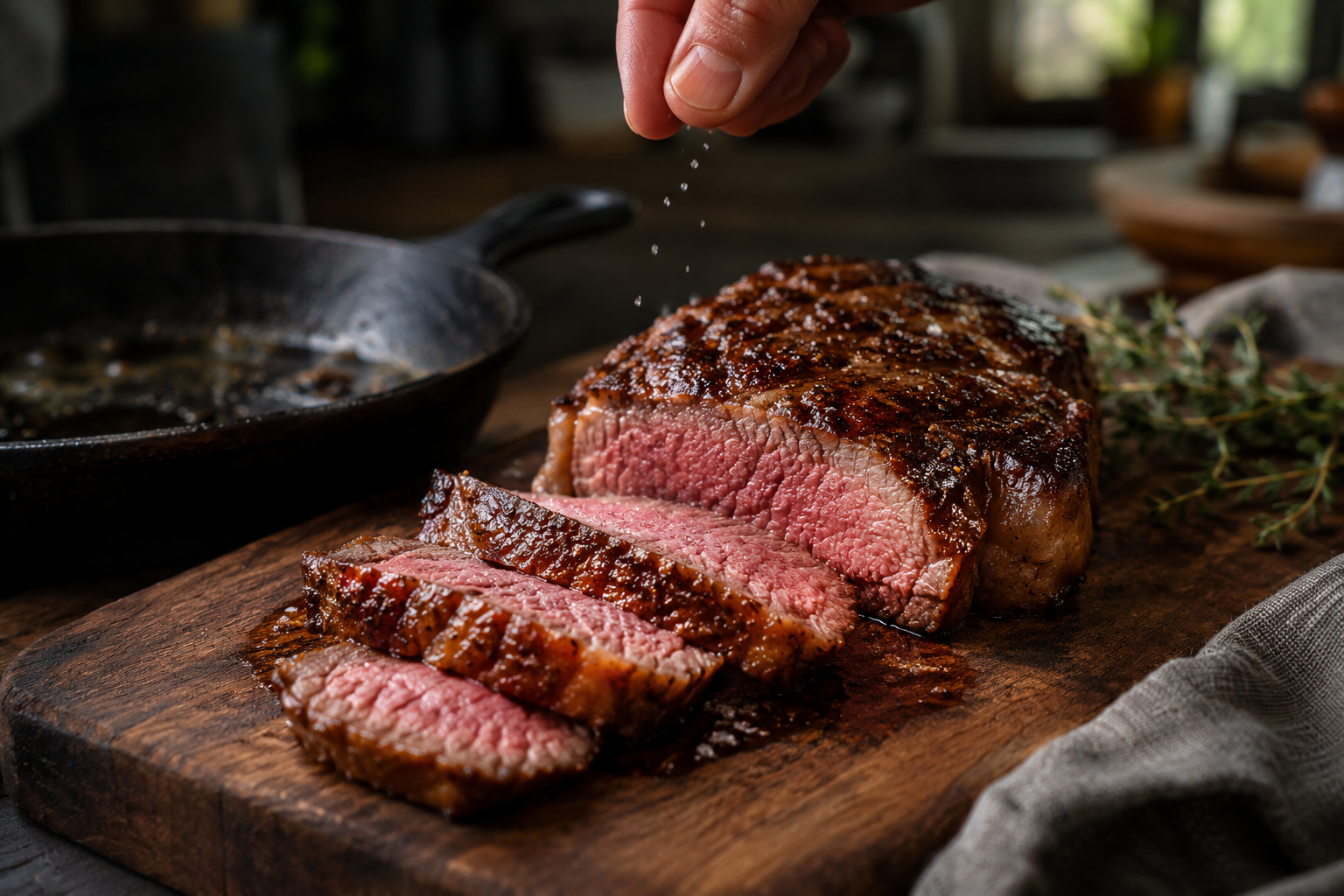
Thomas Keller, chef and owner of The French Laundry in California, which holds three Michelin stars, explains: “If we talk about a steak, for example, I love to salt before.” He also recommends scattering salt from a little height to distribute it evenly.
For a thick steak, timing makes a difference too. J. Kenji López-Alt, whose The Food Lab won the James Beard Award for General Cooking, tested this. His recommendation is to salt at least 40 minutes before cooking, or immediately before it goes into the pan.

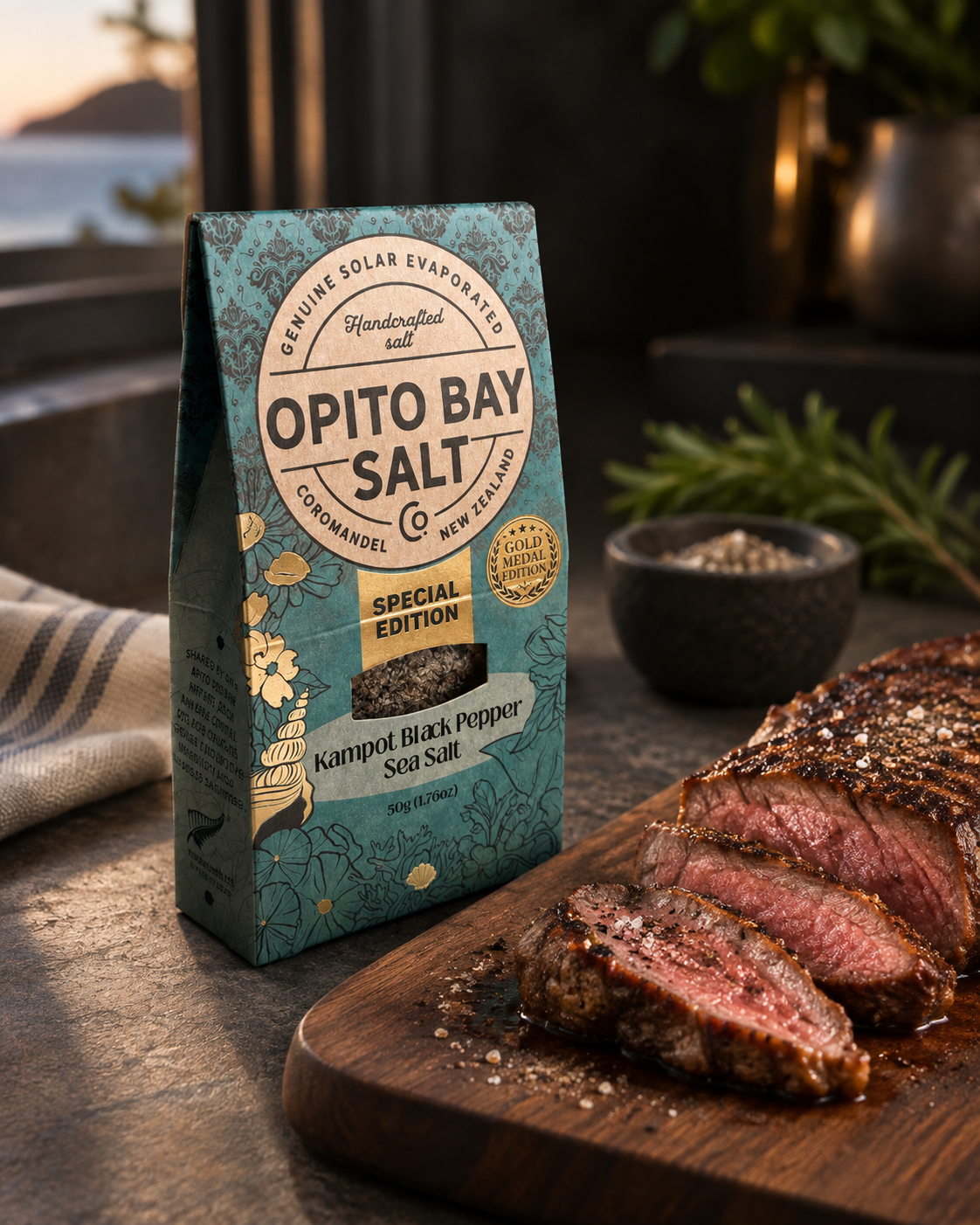
Salt initially draws moisture to the surface, where it dissolves. Given time, that salty liquid is reabsorbed, seasoning the meat more deeply. Leaving the steak uncovered in the fridge also helps dry the surface for better browning. This is dry brining: you’re aiming for a dry surface and juicy meat.
Try it with our Natural sea salt on a thick scotch fillet. Season both sides and the edges, refrigerate on a rack over a tray overnight, then pat dry before searing.
For fresh snapper, I’d keep things simpler. Pat the fillet dry, season lightly with Natural just before cooking, and pan-fry. Add butter towards the end and spoon it over the fish.
Add a flavour that suits what you’re cooking
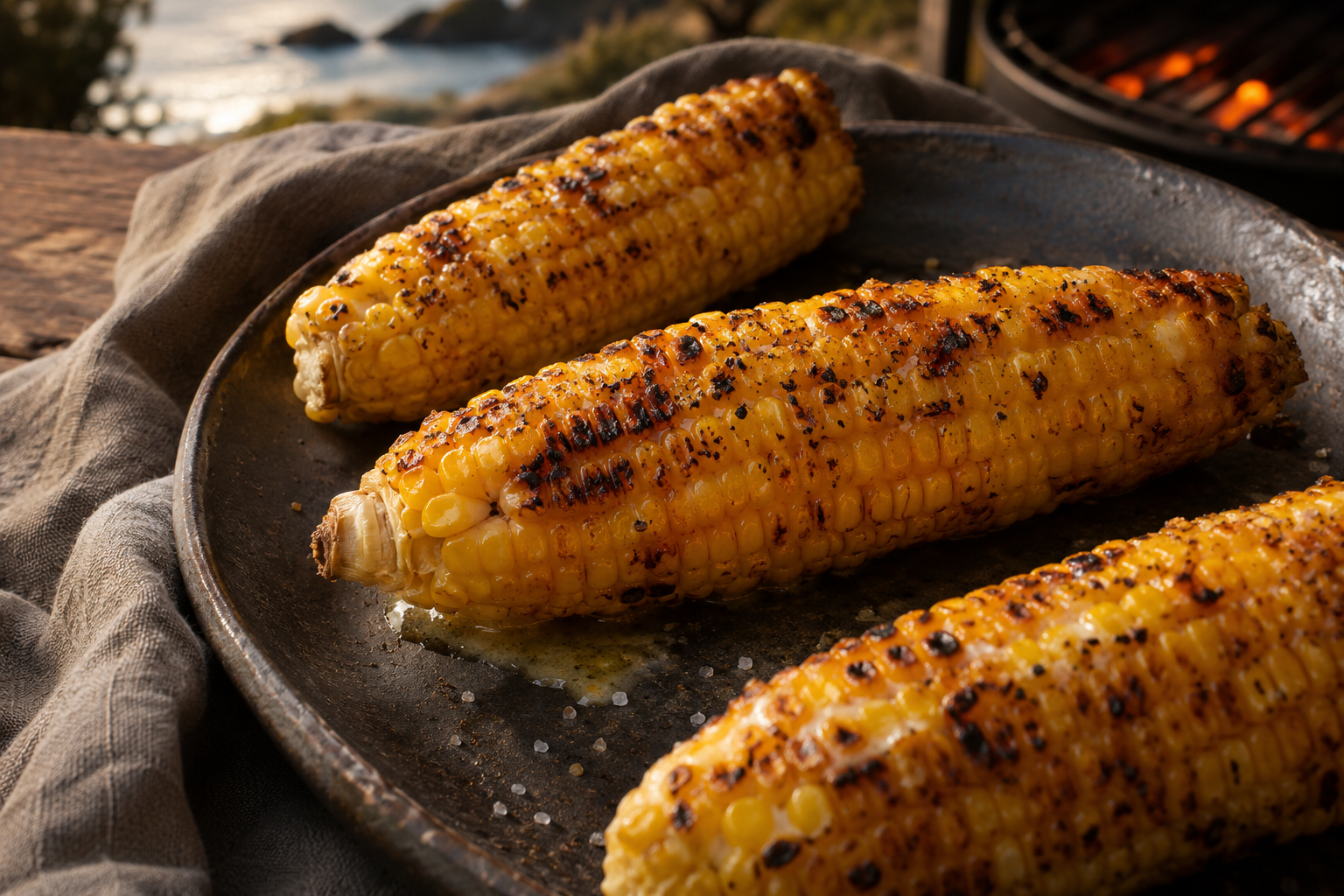
Sweetcorn already has that lovely sweetness. Add butter, a bit of char from the barbecue and our NZ Black Garlic sea salt, and you’ve got something pretty delicious. The garlic brings a mellow, savoury depth that works with both the corn and those browned edges.
It’s equally good over crisp roast potatoes. For something different, our recipe collection includes caramelised cumin aubergine with Black Garlic sea salt and tahini yoghurt. The cumin, soft aubergine and creamy dressing give you plenty of flavour to work with.
Kampot Black Pepper works beautifully with beef. I’d use thin strips of rump, quickly seared, with rice, fresh herbs and lime. The pepper brings warmth, the lime brings freshness, and you’ve got a delicious, straightforward dinner. Try the same salt on prawns, tossed through a little butter after searing.
I often suggest Rare Dry Gin sea salt with salmon. The juniper and citrus notes give a fragrant contrast to the richness of the fish, with subtle coriander and cardamom adding warmth.
There’s a useful reference in chef Paul Welburn’s gin-and-tonic-cured salmon. Welburn, who held one Michelin star at London’s Rhodes W1 for five years, combines gin with juniper, coriander seeds, lemon and lime zest.
Those flavours sit comfortably alongside the dill and cured fish of Scandinavian cooking. At home, I’d take a simpler approach: grilled salmon, Rare Dry Gin sea salt, cucumber and dill, with potatoes alongside.
For a Mediterranean direction, try Fennel and Thyme on pork skewers or roast lamb. Fennel’s gentle aniseed flavour suits pork particularly well. Or scatter it over olive-oiled focaccia before baking. Fiery Chilli sea salt on prawns with lime makes a good filling for tacos, while NZ Black Truffle brings earthy flavour to buttery scrambled eggs or fresh pasta.
Finish with flavour and texture
A final sprinkle gives you something different from seasoning before cooking. The crystals remain on the surface, so you notice their texture and little bursts of saltiness as you eat. Chef Keller describes using salt at both stages, particularly appreciating the texture it adds at the table. Which I agree with, but finish only as required…sometimes its not necessary.
With wagyu, I’d choose Natural or fleur de sel. Cook, rest and slice the meat, then taste before adding a few crystals. The beef already has plenty going on; a little salt lets you appreciate it.
Fresh cod, gently cooked and served with butter, needs equally little. A light sprinkle of Natural just before serving gives a lovely contrast to the soft flakes.
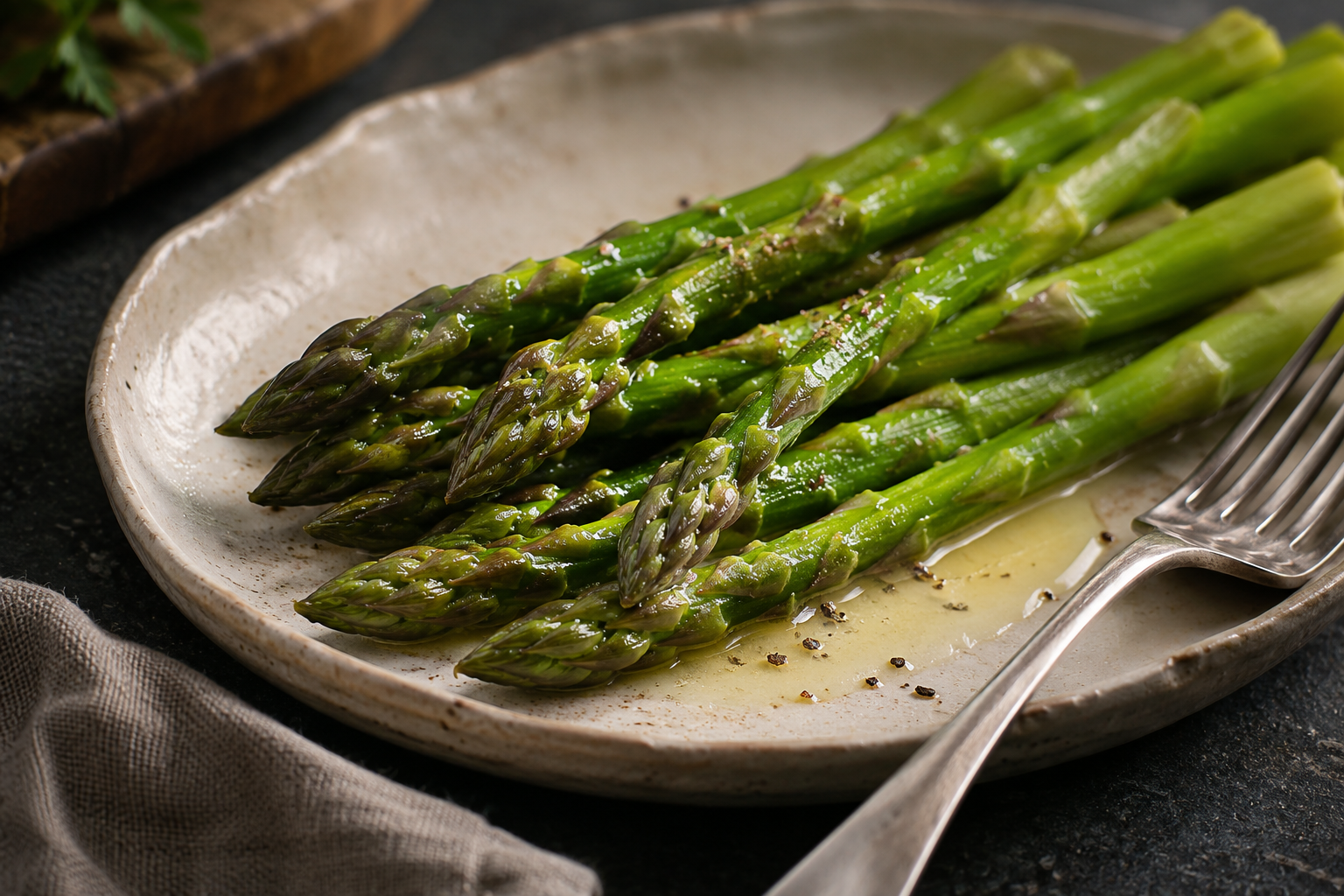
And asparagus deserves a mention. Steam until just tender, drain well, then turn through butter and finish with NZ Black Garlic sea salt. The savoury garlic works beautifully with the sweetness of the asparagus.
You’ll find more combinations on our recipe page, from seared rib-eye to creamy mushrooms on sourdough. Choose something you enjoy cooking and try a different salt next time.